This article was reviewed for scientific accuracy and alignment with cannabinoid wellness standards by Dr. Angela Jenkins, BHSc. Consult a registered healthcare professional for clinical advice.
A comprehensive guide to understanding Victoria's roadside drug testing laws for CBD and THC users. Learn how saliva tests work and how to navigate driving rules.
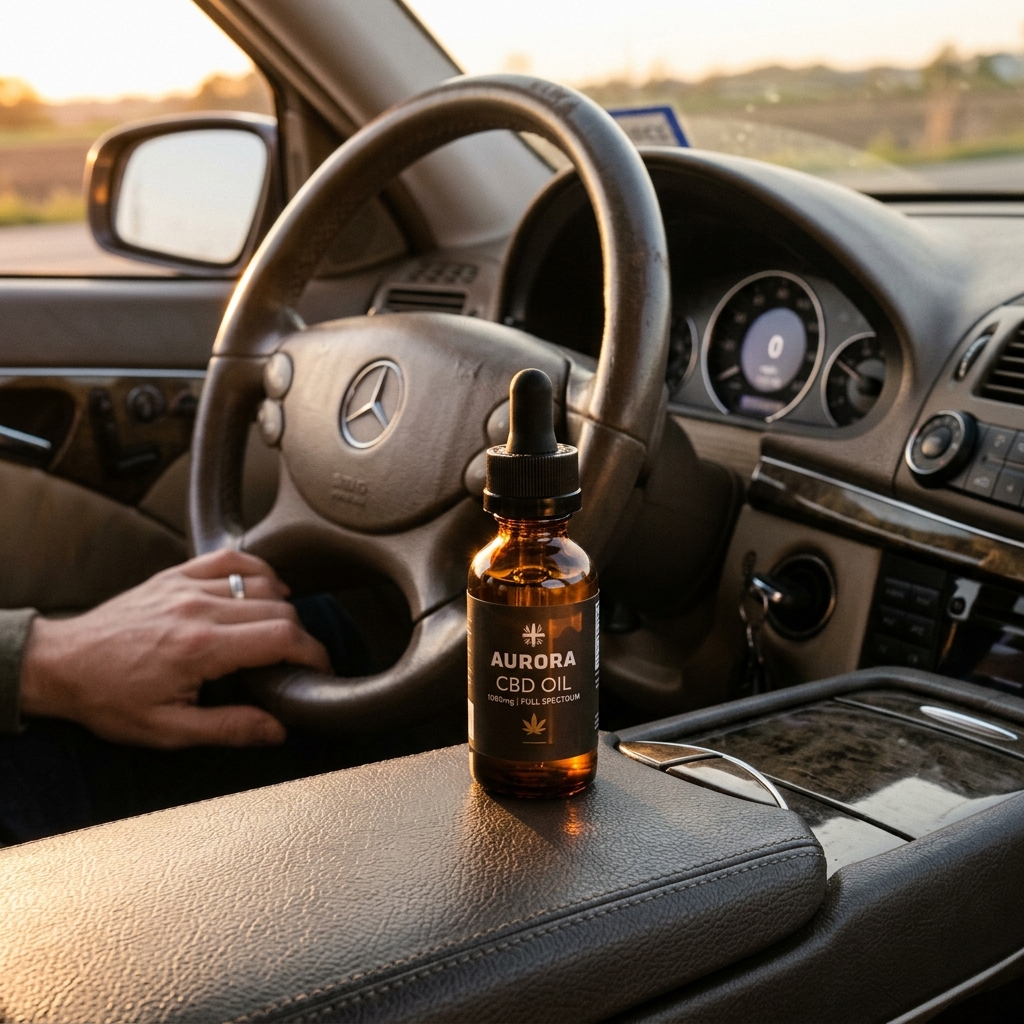
For thousands of Victorians, medical cannabis and CBD oil have become essential parts of managing chronic pain, sleep disorders, and anxiety. However, as the number of legal prescriptions grows, patients are facing a complex legal challenge: how do Victorian road laws and roadside drug testing affect prescription cannabinoid users?
Understanding Victorian Roadside Saliva Tests
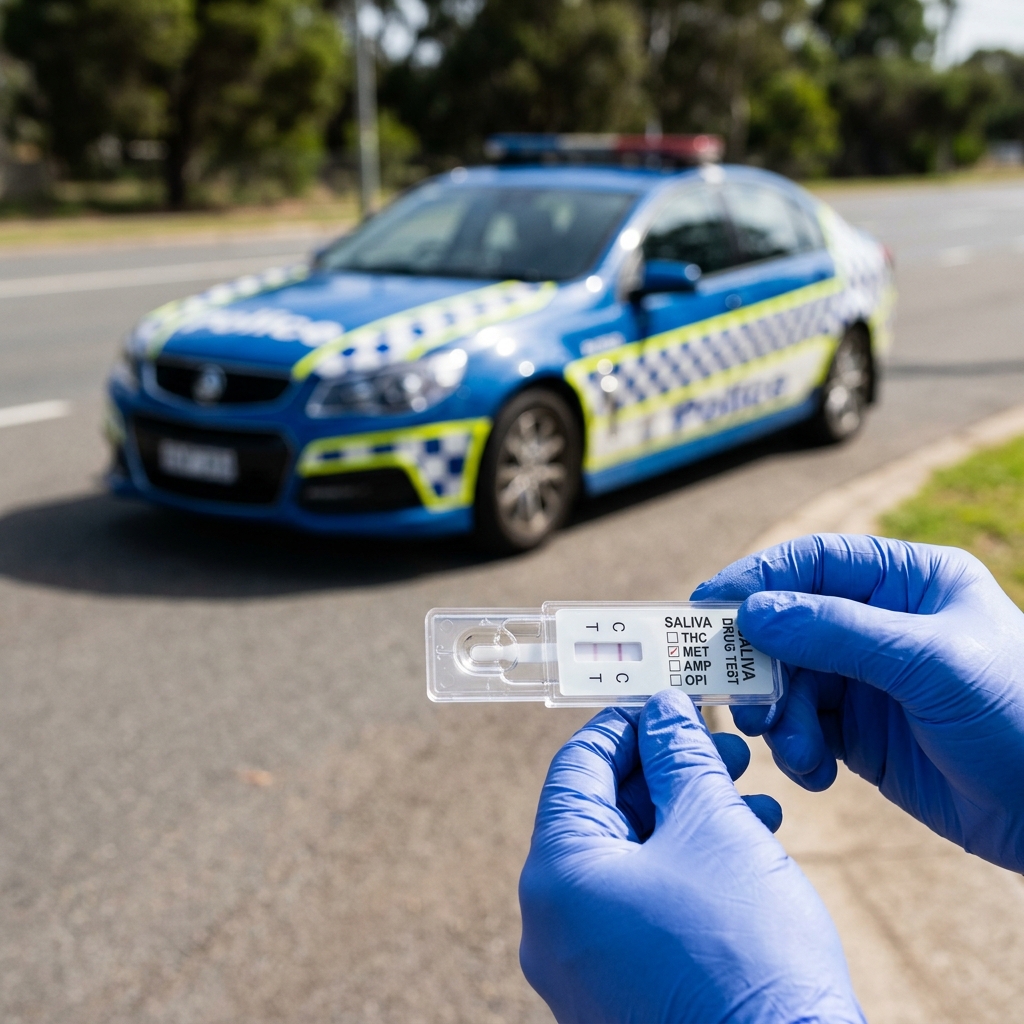
In Victoria, police conduct roadside saliva screening tests to detect active substances. The core issue for patients is that these tests check for the presence of THC (Tetrahydrocannabinol) in your system. Unlike alcohol, where there is a legal limit (0.05 BAC), Victoria has a zero-tolerance policy for driving with any detectable amount of THC in your body, regardless of whether you have a doctor's prescription.
CBD vs. THC: What Shows Up on a Roadside Test?
Pure CBD (Cannabidiol) is not a target analyte for roadside saliva drug tests in Victoria. Saliva screening tests are specifically designed to look for active THC, MDMA, and methylamphetamine. Therefore:
- Pure CBD Oil (Isolates): If your prescription is a pure CBD isolate with 0.0% THC, it will not trigger a positive roadside saliva test.
- Full-Spectrum CBD Oil: Full-spectrum oils contain trace amounts of THC. Depending on your dosage, these trace levels can accumulate and lead to a positive saliva test.
- THC-Containing Products: Ingestibles or flowers containing active THC will show up on drug screenings, and detection times in saliva can range from 24 to 72 hours after consumption.
Scientific Testing and Cannabinoid Metabolism
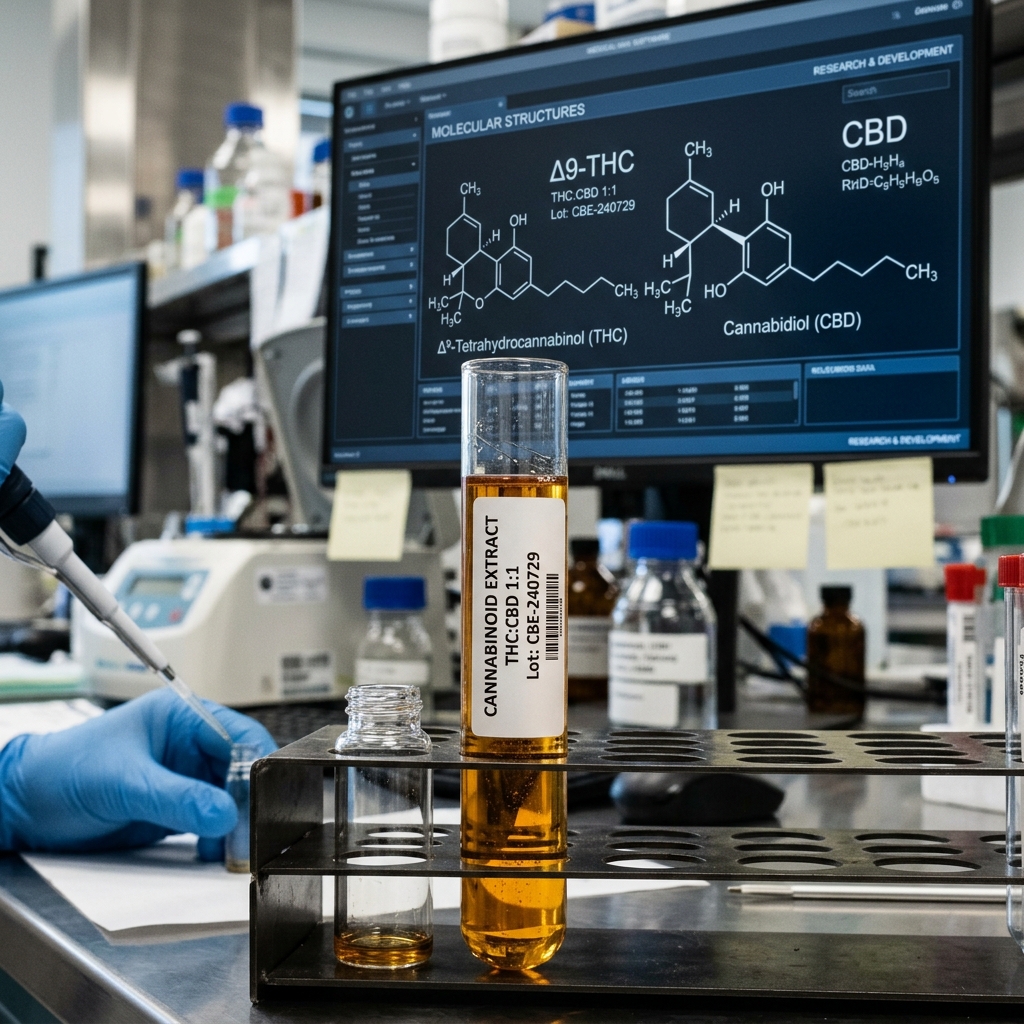
When you consume cannabinoids, they are metabolized by your liver and distributed throughout your body. Because THC is lipophilic (fat-soluble), it binds to fat tissues and is slowly released back into the bloodstream and saliva. Factors affecting how long THC stays detectable include your metabolism, body mass index, and frequency of use.
Practical Advice for Victorian Patients
If you are prescribed CBD or THC products in Victoria, it is crucial to discuss driving safety with your doctor. Always read your product labels, verify the THC content in your lab results, and consider choosing pure CBD isolates if you need to drive frequently.