This article was reviewed for scientific accuracy and alignment with cannabinoid wellness standards by Dr. Angela Jenkins, BHSc. Consult a registered healthcare professional for clinical advice.
Explore the science of THCA flower. Learn about its legal status, how it differs from traditional cannabis, and how decarboxylation converts it to THC.
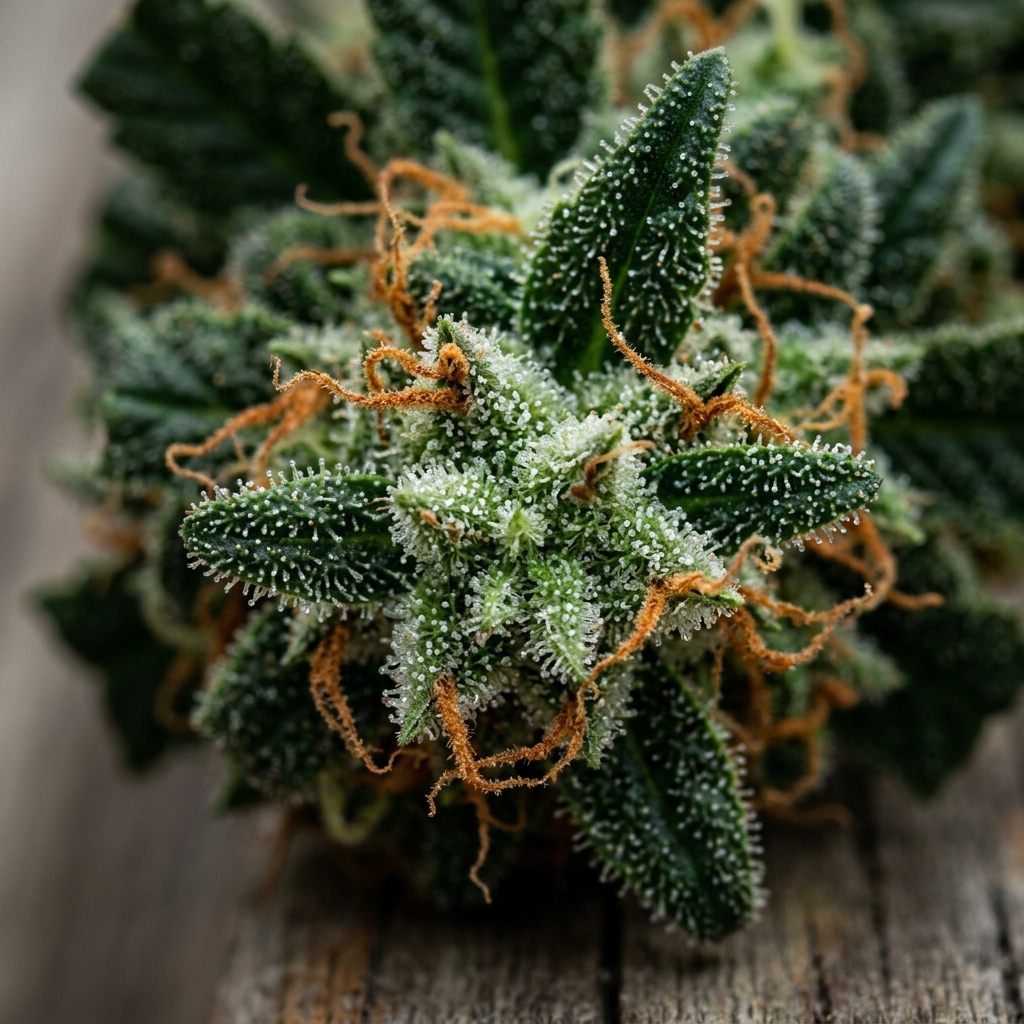
In the evolving world of cannabinoid science, there is a lot of buzz surrounding raw hemp flowers and their unique chemical compounds. If you've been researching strains online, you might be wondering: What is THCA flower, and how is it used in Australia?
The Science of THCA vs. THC
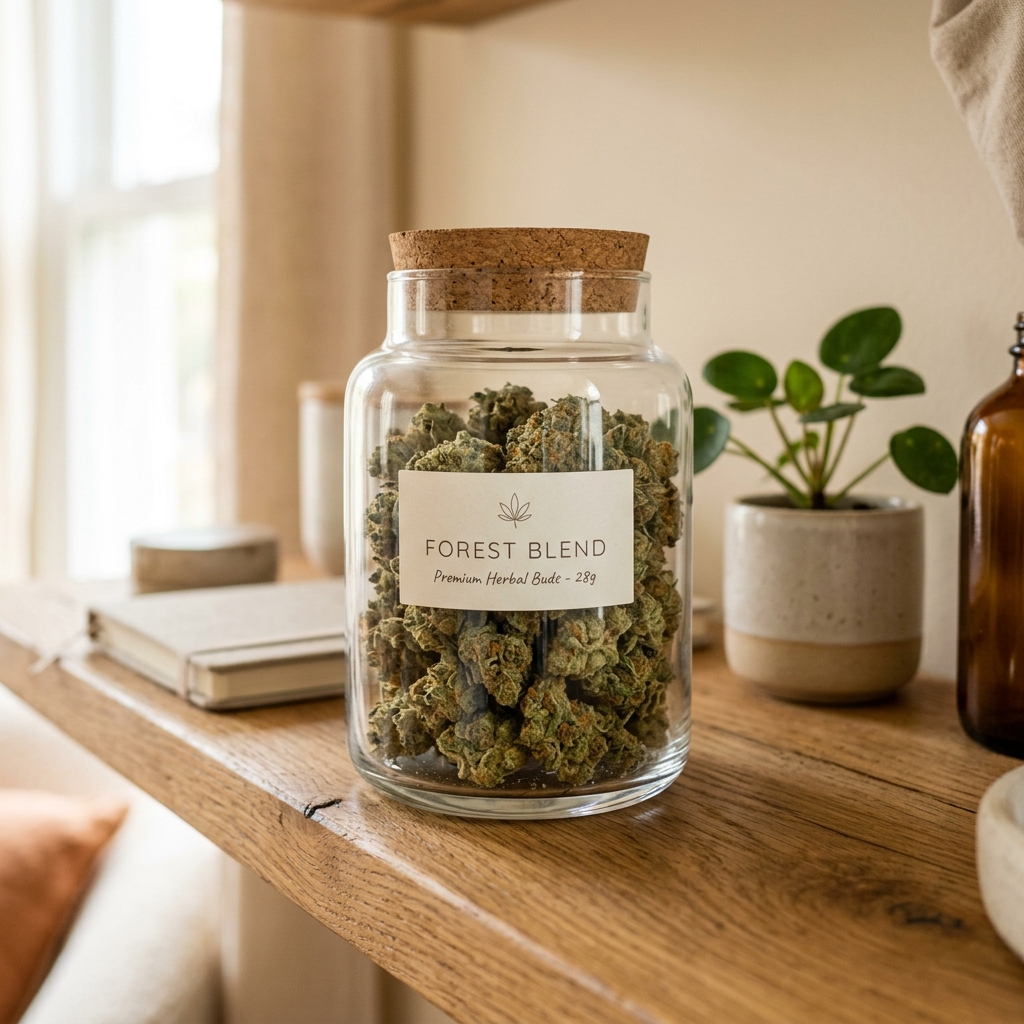
THCA (Tetrahydrocannabinolic Acid) is the raw, acidic cannabinoid found in abundance in fresh cannabis and hemp plants. In its raw form, THCA is completely non-psychoactive — it does not produce a high because its molecular shape prevents it from binding to CB1 receptors in the brain.
Decarboxylation: The Heat Activation Process
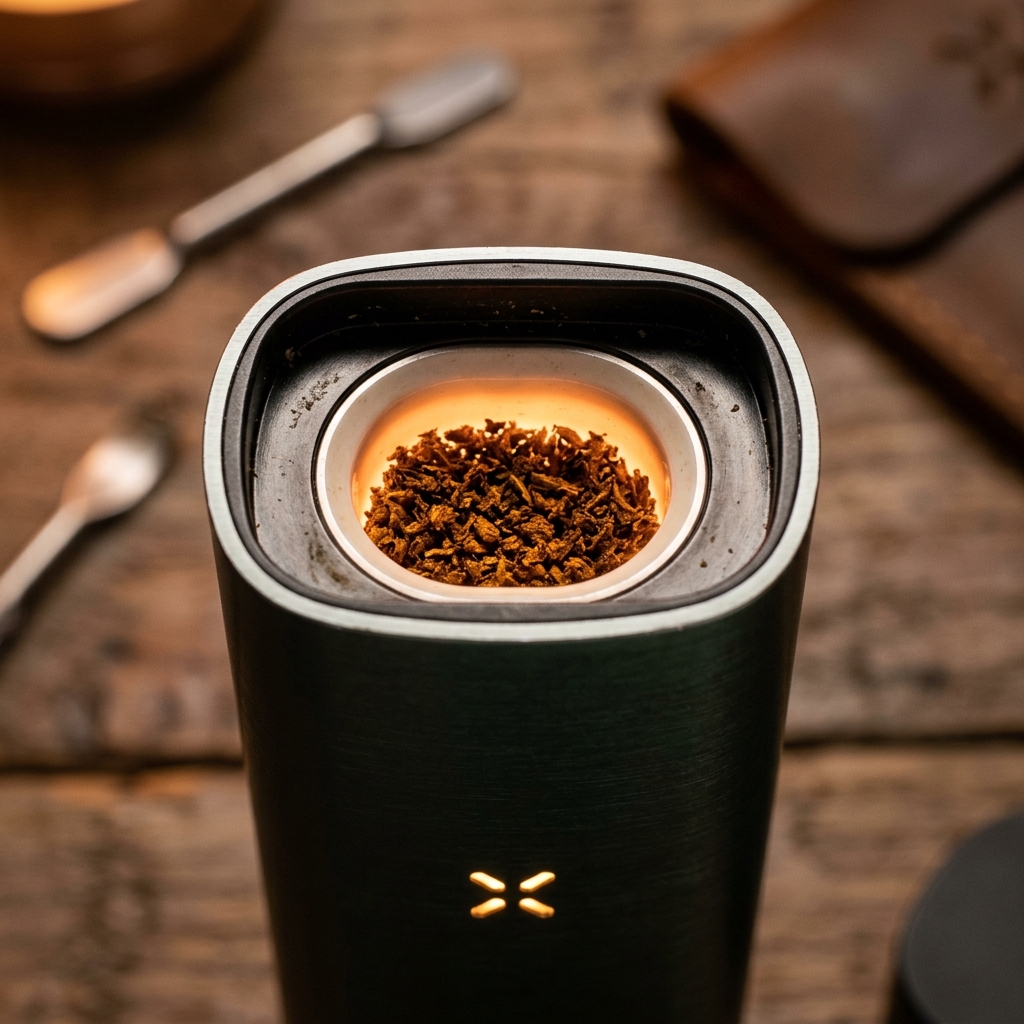
For THCA to become psychoactive, it must undergo a chemical reaction called decarboxylation. This process occurs when heat is applied to the raw flower (such as during vaping or smoking). The heat removes a carboxyl group from the THCA molecule, instantly converting it into active THC (Tetrahydrocannabinol).
Is THCA Flower Legal in Australia?
In Australia, any product that contains active cannabinoids or converts into THC upon heating is strictly regulated under the TGA Schedule 4 prescription framework. Industrial hemp crops and cosmetic hemp seed products containing negligible levels of THCA/THC are legal over-the-counter.